
When it comes to replacing missing teeth, patients are often surprised to learn that there is more than one solution available.
Two of the most common options are partial dentures and dental bridges. While both can restore your smile, improve function, and support your oral health, they work in very different ways.
Understanding when one option may be better than the other can help you make a more confident, informed decision about your care before visiting the best dentist near you.
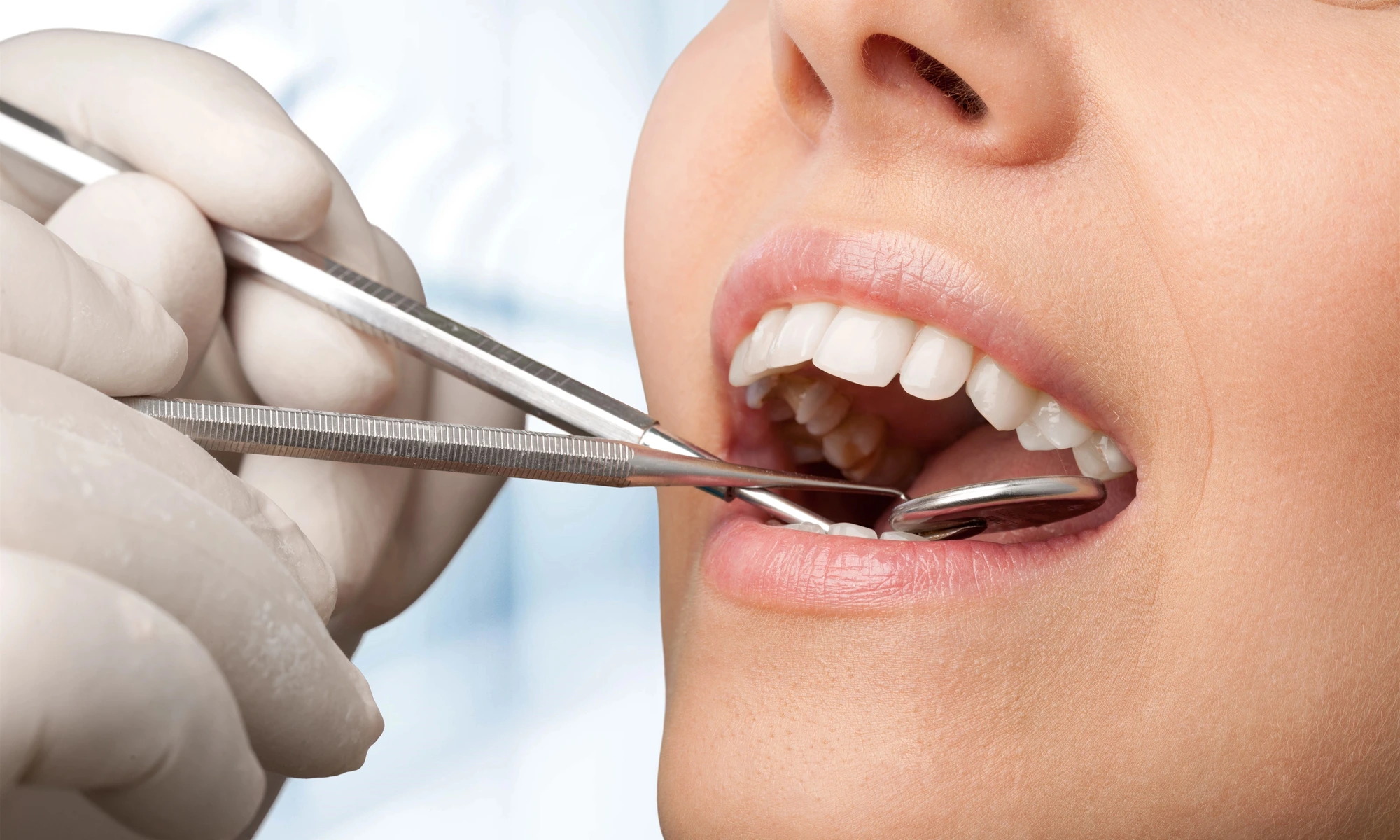
Understanding Partial Dentures
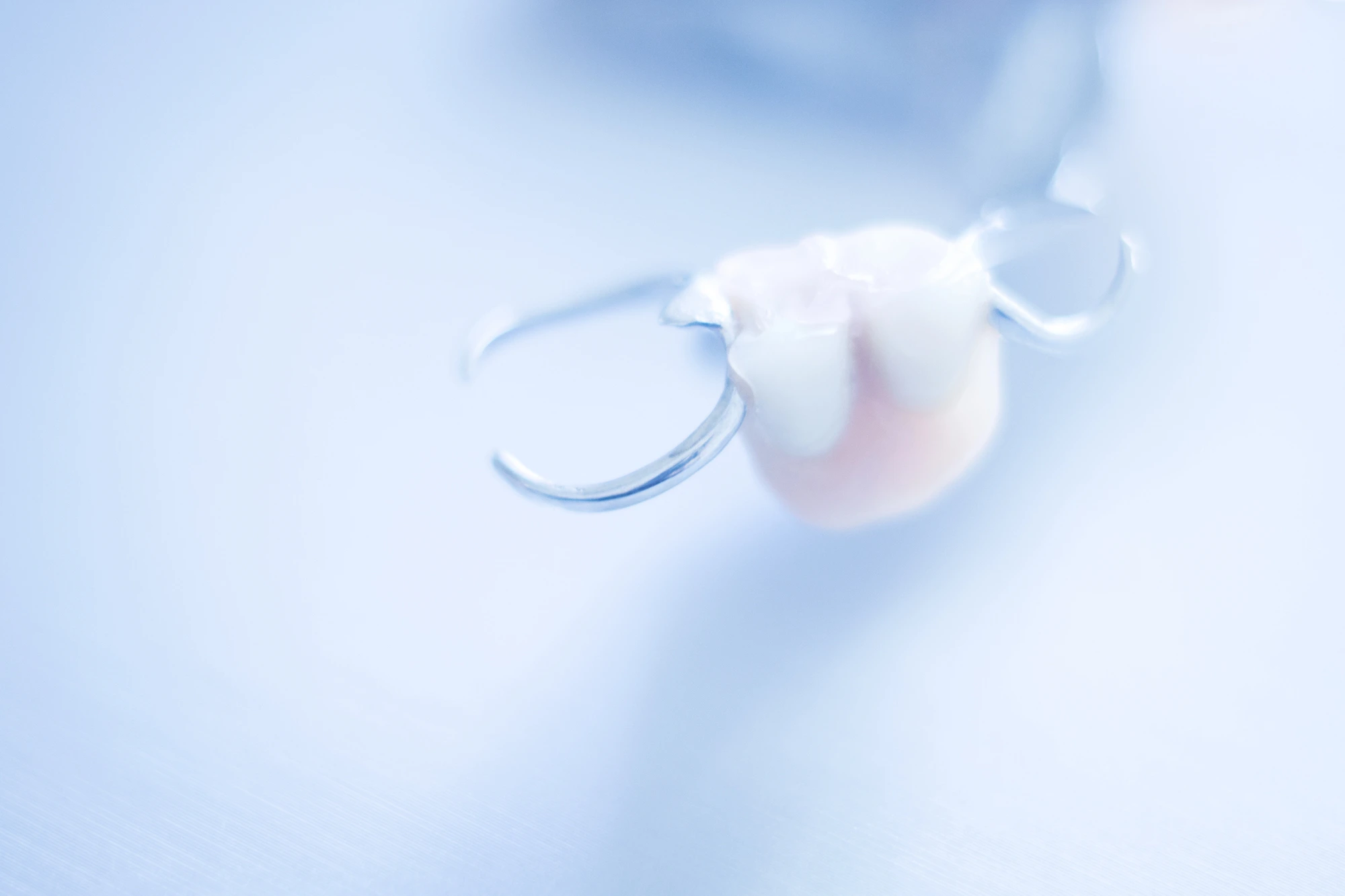
Partial dentures are a removable tooth replacement option designed to fill in gaps when multiple teeth are missing. They are custom-made to fit comfortably in the mouth while blending with your natural smile.
A Flexible, Removable Option
Partial dentures are often recommended when patients need a versatile and non-permanent solution.
Key Features of Partial Dentures
- Replacement for multiple missing teeth
- Removable design for easy cleaning
- Support from remaining natural teeth
- Often more affordable than fixed options
Because they can be adjusted or modified over time, partial dentures are a practical solution for patients whose dental needs may change.
Understanding Dental Bridges
Dental bridges, on the other hand, are fixed restorations designed to replace one or a small number of missing teeth. They are cemented in place and rely on neighboring teeth or dental implants for support.
A Fixed, Permanent Restoration
Unlike partial dentures, bridges stay in place and function more like natural teeth.
Key Features or Dental Bridges
- Permanently fixed in the mouth
- Replacement for one or a few missing teeth
- Supported by adjacent teeth or implants
- Designed for long-term stability and aesthetics
Bridges are often chosen for their natural feel and secure fit.
When Partial Dentures May Be the Better Choice
Partial dentures are often recommended when a patient needs a more adaptable or broad replacement solution. They may be preferred when:
- Multiple teeth are missing in different areas
- There are not enough strong teeth to support a bridge
- A more budget-friendly option is desired
- A removable appliance is preferred
- Future adjustments may be needed
Partial dentures can be especially helpful when tooth loss is more widespread or when long-term flexibility is important.
When Dental Bridges May Be the Better Choice
Bridges are typically recommended when the missing teeth are limited and surrounding teeth are healthy enough to provide support. They may be preferred when:
- Only one or a few teeth are missing
- Adjacent teeth are strong and healthy
- A fixed, non-removable option is desired
- Long-term durability is a priority
- A more natural chewing experience is important
Because they are anchored in place, bridges often feel more like natural teeth during daily use.
How Dentists Help You Choose
A thorough dental evaluation is essential when deciding between partial dentures and bridges. Your dentist will assess your oral health, remaining teeth, gum condition, and bite alignment. X-rays and diagnostic imaging help determine which solution will provide the best long-term outcome.
Most importantly, your personal goals, comfort preferences, and lifestyle are also taken into account when creating a treatment plan.
Replace Your Missing Teeth with the Right Treatment from the Best Dentist Near You
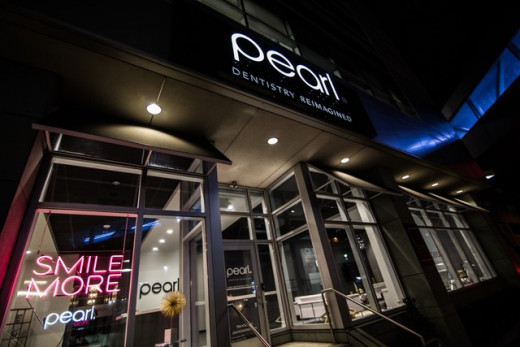
At Pearl Dentistry Reimagined, our team knows that the best tooth replacement solution is the one that best fits your particular needs. With professional guidance, you can choose a treatment that restores both function and confidence in your smile.
If you are missing teeth and unsure which option is right for you, schedule an appointment today to learn whether partial dentures, dental bridges, or another restorative solution is best for your smile. A personalized consultation can help you take the next step toward restoring your oral health and confidence.