
Teeth grinding is a common condition that can lead to jaw pain, headaches, worn teeth, and long-term damage if left untreated. Many patients are surprised to learn just how many treatment options are available, and two of the most common are night guards and Botox®.
While both can be effective, they work in very different ways. Understanding how each option functions can help you and your dentist determine the best approach for your needs and guide you when getting Botox for TMJ in Charlotte, NC.

What Causes Teeth Grinding?
Bruxism can occur during the day or, more commonly, at night while you sleep. Many patients are unaware they are grinding their teeth until symptoms appear.
Understanding Bruxism
Several factors can contribute to teeth grinding, including:
- Stress and anxiety
- Sleep disturbances
- Habitual jaw clenching
Because there are multiple possible causes, treatment should always be tailored to the individual patient.
How Night Guards Work
A night guard is a custom-made oral appliance worn while sleeping. Its primary purpose is not to stop grinding, but to protect the teeth from damage caused by clenching and grinding forces.
Night guards can help:
- Prevent tooth wear and enamel erosion
- Reduce pressure on teeth
- Protect dental restorations such as crowns or fillings
- Minimize strain on the jaw joint
While night guards are highly effective for protection, they do not address the underlying muscle activity that causes grinding.
How Botox Works for Teeth Grinding
Botox works differently by targeting the jaw muscles responsible for clenching and grinding. When carefully administered, it helps relax overactive muscles and reduce the intensity of grinding.
Patients receiving Botox for bruxism or TMJ-related symptoms may experience:
- Reduced jaw tension
- Decreased clenching force
- Relief from TMJ-related discomfort
- Fewer headaches associated with grinding
Unlike night guards, Botox works by reducing muscle activity rather than simply protecting the teeth from its effects.
Botox vs Night Guards: Key Differences
Two Different Approaches to the Same Problem
Although both treatments address teeth grinding, they serve different purposes:
- Night guards focus on protecting the teeth from damage
- Botox focuses on reducing muscle activity that causes grinding
- Night guards are a mechanical barrier
- Botox is a therapeutic muscle treatment
Because they work in different ways, some patients benefit from one treatment alone, while others may benefit from a combination of both.
Which Treatment Works Better?
There is no universal answer to which option is better. The right treatment depends on the severity of symptoms and the underlying cause of grinding.
- Mild grinding cases may respond well to night guards alone
- Moderate to severe bruxism or TMJ-related pain may benefit from Botox
- Some patients may achieve the best results using both treatments together
A professional evaluation is the best way to determine the most effective approach for long-term relief.

Clenching Your Teeth and Looking for Relief? Get Botox for TMJ in Charlotte, NC
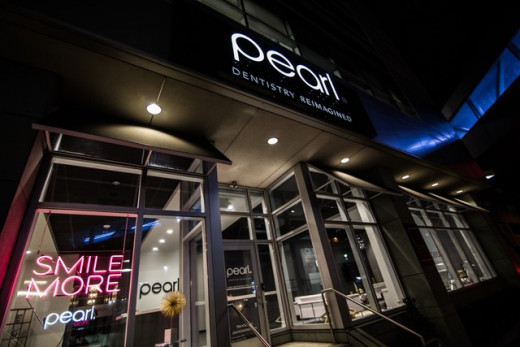
At Pearl Dentistry Reimagined, we know that the most effective treatment plan is always personalized to the patient’s needs and symptoms.
Botox and night guards are both valuable tools for managing teeth grinding, but they work in very different ways. Night guards help protect your teeth from damage, while Botox helps reduce the muscle activity responsible for clenching and grinding.
If you are experiencing jaw pain, headaches, or signs of teeth grinding, don’t wait for symptoms to worsen. Schedule an appointment today to find out if Botox for TMJ and bruxism is right for you. A personalized treatment plan can help protect your teeth, relieve discomfort, and improve your overall quality of life.