Cavities are often misunderstood as a simple result of sugar or missed brushing, but the reality is far more complex. For many adults, lifestyle habits, stress, and even seemingly “healthy” foods quietly contribute to tooth decay over time. Understanding the hidden factors behind cavities—from enamel erosion to saliva reduction—can help you protect your smile more effectively, not just prevent fillings, but preserve the natural beauty and function of your teeth for years to come.
Dental Cavities Explained: What’s Actually Happening Inside the Tooth
Cavities don’t appear overnight—they are the result of a slow, invisible process that begins on the tooth’s surface. Acid-producing bacteria feed on sugars and starches from your diet, creating microscopic holes in the enamel, the tooth’s protective outer layer. Over time, these tiny weaknesses allow acid to penetrate deeper into the dentin, where nerves reside, often without causing pain initially. Factors like enamel thickness, saliva composition, and even subtle shifts in bite pressure influence how quickly decay progresses. Unlike common assumptions, cavities are not just about what you eat—they are about how your teeth, mouth, and habits interact over months and years, making prevention a more nuanced challenge than brushing alone.
What Really Causes Cavities (Beyond Sugar and Skipping Brushing)
While sugar and inconsistent brushing contribute to cavities, the deeper causes are often overlooked. Frequent snacking or sipping acidic beverages creates a constant acid attack on enamel, even from “healthy” foods like citrus or smoothies. Dry mouth, caused by stress, medications, or dehydration, reduces saliva—the mouth’s natural defense against decay. Grinding or clenching teeth wears down enamel, making it easier for cavities to form. Even subtle changes in oral pH from lifestyle factors can accelerate decay over time. Understanding these hidden contributors highlights that cavities are not just a hygiene issue—they are a reflection of how modern habits interact with your teeth every day.
Early Signs of Cavities Adults Often Miss
Cavities often begin quietly, making early detection challenging for adults. One subtle sign is sensitivity to hot, cold, or sweet foods, which can occur before visible damage appears. Changes in tooth texture, like small rough spots or tiny pits, may go unnoticed during regular brushing. Discoloration, such as white or brown spots near the gum line, can also indicate early enamel weakening. Even mild discomfort when biting or chewing can signal decay starting beneath the surface. Because these signs are often subtle, many adults mistake them for temporary sensitivity, missing the opportunity to stop cavities before they progress into more serious, harder-to-treat tooth damage.
How to Prevent Cavities: Strategies That Go Beyond Brushing
- Time Your Meals and Drinks Strategically
Constant snacking or sipping beverages, even water with lemon or coffee, keeps acid levels high in your mouth. Allowing intervals between meals gives saliva time to neutralize acids and repair enamel naturally. - Support Saliva Production
Saliva is your mouth’s first line of defense against cavities. Chewing sugar-free gum, staying hydrated, and avoiding excessive caffeine or alcohol can help maintain optimal saliva flow, which washes away food particles and buffers acid. - Rethink “Healthy” Foods
Many adults assume foods like fruit juices, smoothies, or dried fruit are harmless. While nutritious, these foods can be highly acidic or sticky, lingering on teeth and feeding cavity-causing bacteria. - Strengthen Enamel Through Diet
Incorporate calcium- and phosphate-rich foods, such as cheese, yogurt, and nuts, to support enamel remineralization. Certain minerals in your diet directly contribute to stronger, more resilient teeth over time. - Mind Oral Habits Beyond Brushing
Habits like teeth grinding, nail-biting, or chewing ice can wear down enamel and make teeth more susceptible to cavities. Using a night guard or being mindful of these habits can reduce long-term risk. - Use Targeted Preventive Tools
Fluoride rinses, prescription-strength toothpaste, and antimicrobial mouthwashes can provide additional protection in areas brushing may miss. Applying these strategically—especially in hard-to-reach crevices—strengthens enamel and reduces bacterial buildup. - Regular Professional Check-Ins
Even the most diligent home care can miss early decay. Routine dental exams, professional cleanings, and early interventions catch subtle signs before they develop into cavities that require fillings or restorations. - Consider Lifestyle Factors
Chronic stress, poor sleep, and certain medications can indirectly increase cavity risk by reducing saliva or weakening enamel. Addressing these underlying factors is a preventive strategy seldom emphasized in standard dental advice.
Tooth Decay Prevention for Adults: Thinking Long-Term
Preventing cavities as an adult goes beyond daily brushing—it’s about protecting your smile for decades. Long-term strategies focus on preserving enamel, maintaining saliva flow, and monitoring subtle changes before they become serious. This includes scheduling regular dental checkups, addressing early signs of wear, and being mindful of lifestyle habits that quietly weaken teeth, like frequent acidic drinks or teeth grinding. Nutrition also plays a key role: foods rich in calcium, phosphate, and vitamin D help keep teeth resilient. Thinking long-term means viewing cavity prevention as part of overall oral health, supporting not just functional teeth but a confident, natural-looking smile that lasts.
Some Considerations
When it comes to preventing cavities, subtle factors often make a bigger difference than brushing alone. Genetics can influence enamel strength and saliva composition, meaning some adults are naturally more prone to decay. Medications, including antihistamines or certain blood pressure drugs, can reduce saliva flow and increase cavity risk. Even the way you chew or clench your teeth affects enamel wear over time. Environmental factors, like the acidity of local water or workplace habits that encourage frequent snacking, also play a role. Recognizing these less obvious influences allows adults to tailor prevention strategies, combining lifestyle adjustments, targeted oral care, and professional guidance for a truly proactive approach to dental health.
Conclusion
Understanding what really causes cavities—and how to prevent them—goes far beyond brushing and flossing. By considering factors like diet, saliva production, stress, and subtle enamel wear, adults can take a proactive approach to protecting their teeth and preserving their smile. Early detection, strategic habits, and professional guidance are key to long-term oral health and confidence.
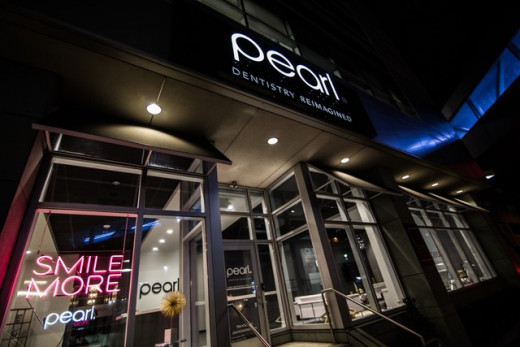
If you’re ready to take control of your dental health, visit Pearl Charlotte at one of our three convenient locations on Tryon Street, College Street, or Park Road. Our team can help you identify hidden risks and create a personalized plan to keep your smile healthy, strong, and beautiful for years to come.