
Occasional jaw soreness after chewing tough foods or experiencing stress is common, but ongoing discomfort may point to a temporomandibular joint (TMJ) disorder.
The temporomandibular joints connect your jaw to your skull and allow you to speak, chew, and yawn comfortably. When these joints or the surrounding muscles become strained, even simple daily activities can become painful.
TMJ disorders have many possible causes, including teeth grinding, jaw clenching, bite problems, and muscle tension. Fortunately, treatment options are available, and for some patients, Botox for TMJ in Charlotte can be an effective way to relieve muscle-related TMJ pain.

Recognizing the Signs of TMJ Disorder
TMJ disorders don’t always look the same from one person to another. Some patients experience occasional discomfort, while others struggle with chronic pain that affects their daily lives.
Symptoms You Shouldn’t Ignore
- Jaw pain or tenderness
- Clicking or popping sounds when opening the mouth
- Difficulty opening or closing the jaw fully
- Frequent headaches
- Facial muscle tension
- Ear pain or ringing
- Teeth grinding or jaw clenching
You may benefit from a TMJ evaluation if you experience:
- Persistent jaw discomfort
- Morning jaw soreness
- Chronic headaches
- Pain while chewing
- Limited jaw movement
These symptoms can gradually worsen if the underlying cause isn’t addressed. Seeking an evaluation early can help identify the problem before it begins to interfere with your comfort and quality of life.
When Botox May Be Recommended
Botox® is widely recognized for its cosmetic benefits, but it also has valuable therapeutic applications in dentistry. For patients whose TMJ discomfort is primarily caused by overactive jaw muscles, Botox may help reduce muscle tension and relieve pain.
By relaxing targeted muscles, Botox can decrease the excessive clenching and grinding that often contribute to TMJ symptoms. Many patients also experience fewer tension headaches and less facial discomfort after treatment.
A Conservative Option for Muscle-Related TMJ Pain
Your dentist may recommend Botox if you have:
- Chronic jaw clenching
- Frequent teeth grinding
- Muscle-related TMJ pain
- Ongoing symptoms despite conservative treatment
It’s important to understand that Botox is not the right solution for every TMJ disorder. Some cases are related to joint damage, bite alignment, or other structural concerns that require different treatment approaches. A thorough evaluation helps determine whether Botox is an appropriate part of your personalized treatment plan.
Frequently Asked Questions
Does Botox cure TMJ?
Botox helps relieve muscle-related TMJ symptoms, but it does not permanently cure the condition. Periodic treatment may be recommended as part of an ongoing management plan.
How long do Botox results last?
Many patients experience relief for several months before maintenance treatment may be needed. Your dentist will recommend a schedule based on your individual response.
How do I know if I’m a candidate?
The best way to determine whether Botox is right for you is to schedule a TMJ evaluation. Your dentist can identify the cause of your symptoms and recommend the most appropriate treatment.
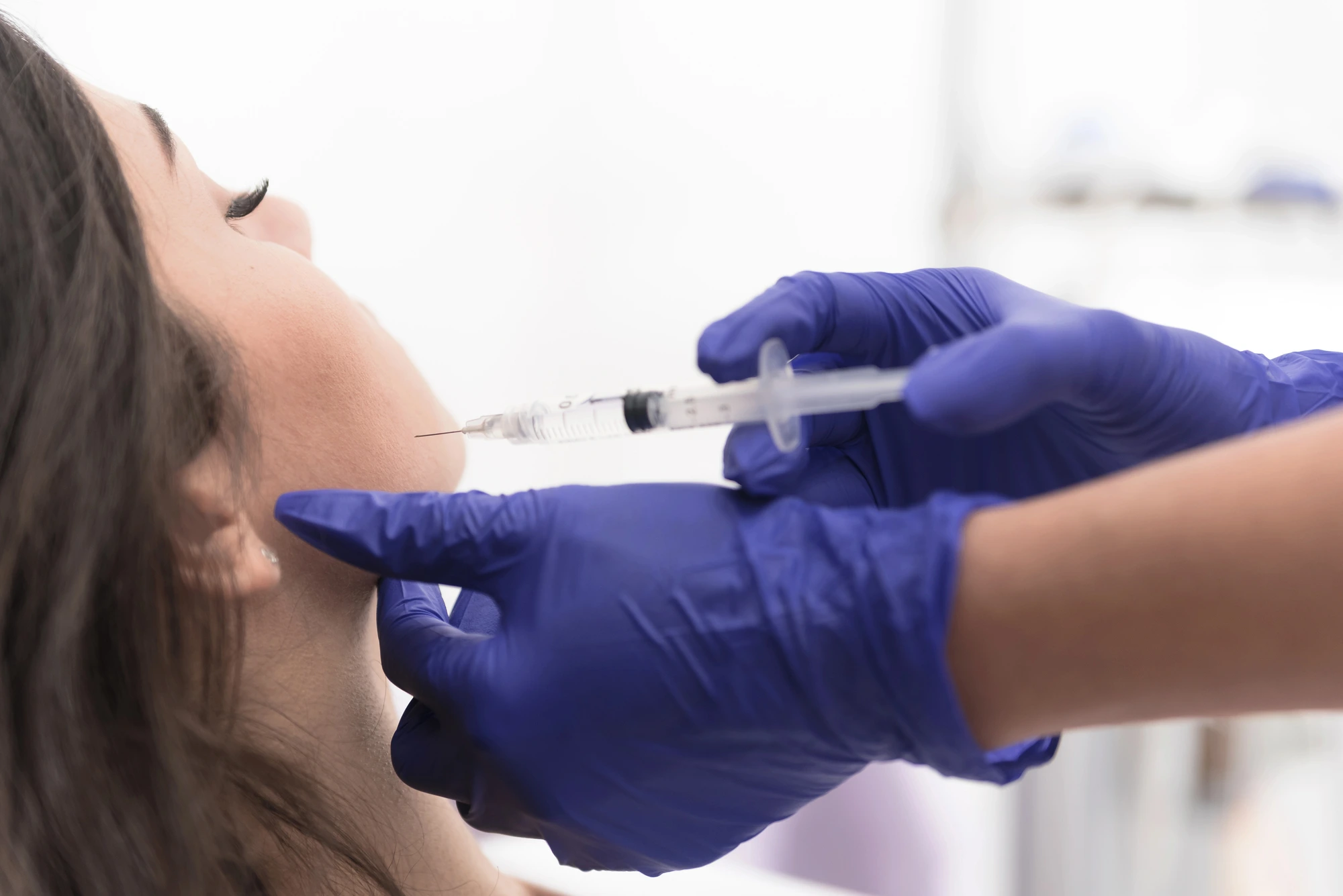
Find Relief from Pain with Botox for TMJ in Charlotte
If jaw pain, headaches, or teeth grinding are interfering with your daily life, our team at Pearl Dentistry is here to help.
We’ll carefully evaluate your symptoms, identify the underlying cause of your discomfort, and recommend the treatment that best fits your needs. Schedule your appointment today to learn whether Botox or another TMJ therapy can help you enjoy lasting relief and improved comfort.